Who’s the most confident person I know? I’d name them here, but that wouldn’t be nice.
Let me explain.
I looked at this daily writing prompt, and the way it asks about confidence, it gives the impression that more is better.
Confidence is good. I work to build it in students plagued by perfectionism. I muscle it into myself when I try something new or difficult.
And I know people who are self-assured, who have faith in their talents and abilities. They’re the same folks who work to instill confidence in me.
I think the reason they believe so deeply in themselves is because they give themselves the gift of honesty. They know what to be confident about, and they know when that same confidence would equate to lying to themselves.
Folks who never doubt themselves, who are confident without fail…well, they’re the ones that give me pause. I don’t want people in my life to believe blindly in themselves simply because they have the confidence to do so. Give me someone with principles, with faith, with courage, and the gift of self-reflection. That’s the confidence I seek.
Thanks, as always, for the Two Writing Teachers Slice of Life Story Challenge. Check ’em out!
The last few days, I’ve shared a draft story, along with my fourth graders’ responses to it.
Today, I’ve got my revisions ready to go. The biggest changes I’ve made:
I’ve given more background about the dogs
I’ve cleaned up the punctuation and language to be more clear.
I’ve tried to be more descriptive and articulate about setting.
I’ve tried add more humor to the scene where Ralph distracts the dogs, so they can look more comical and ridiculous.
Once upon a time there was a family of squirrels. They lived in the black walnut tree nestled at the corner of a backyard of a house on Sycamore Lane. Ralph, Mabel, and Josephine lived together without much trouble. Of course, there were blackbirds and bluejays who would sometimes tease them from the oak tree across the yard, but usually they lived a life that was free and easy. That was, unless they had to worry about Lilah and Winnie. But that, my friend, is for later in the story.
One fall morning, Ralph looked down at the backyard and saw, to his surprise, that the oak tree on the other side of the lawn had dropped all of its acorns. Acorns! Big, crunchy, sweet acorns – a squirrel’s favorite!
Ralph shouted, “Mabel! Josephine! Look! Acorns!” The three of them, excited for a delicious morning meal, scampered down the tree. Just before they got to the ground, they stopped short.
“Go GET ‘EM!” they heard.
“Grrrr! Woof!” They didn’t have to look to know it was Lilah and Winnie, the dogs who lived at the house. Lilah and Winnie must have seen the squirrels while keeping watch at the back door. Their human had just let them outside, and now they were barreling towards the squirrel trio.
“Abort mission!” cried Josephine. “Get back up the tree!” They turned around and scurried up the tree just in time to escape the jaws of the barking dogs.
“That was a close one,” sighed Ralph.
“Agreed,” echoed Josephine. “You’d figure dogs with such cute names might be a little nicer to the wildlife, but noooo. Of course not,” she continued, shaking her head.
The three hungry squirrels huddled in their nest. Ralph, Mabel and Josephine waited for what seemed like an eternity. Finally, Lilah and Winnie lost interest in the squirrels and began sniffing their way around the yard and back inside.
Josephine looked over the side of the nest and inspected the yard. “Well, the dogs have gone back inside. Looks like we’re safe to try again!”
Ralph, Josephine, and Mabel gathered up their courage again. They made their way back down the black walnut tree, a bit more cautiously this time. Just as they were about to place their little front paws down on the ground, they heard the back door click open and a human shout, “Go GET ‘em, Winnie! Go GET ‘em, Lilah!”
The dogs bounded out the back door and into the yard once again. The squirrels barely had enough time to turn around. They could feel the dogs’ hot breath on their tails as they ran back up the tree for the second time. It took a while for their little hearts to stop beating so quickly, but eventually they calmed down.
Ralph shrugged. “Well, that was a fail.”
Josephine said, “Darn! I wish we could have those acorns! I can smell them from here. I guess there’s just no way we’ll get those acorns with those dogs around.”
“I suppose we’ll have to raid the bird feeder again,” agreed Ralph.
Just then, Mabel, who had been quiet through all of this, perked up. She said, “Maybe we can’t run free around the yard, but maybe there is a way we can get acorns after all.”
“Really?” Ralph questioned doubtfully.
“Maybe,” Mabel explained, “Maybe we have to beat the dogs at their own game.”
The next few minutes were a series of whispers and giggles as Mabel explained her plan to the other squirrels.
Later that morning, Ralph made his way to a fencepost along the side of the house, the one that sat right across from a big picture window. Mabel had known it was Lilah and Winnie’s favorite place to watch and bark at the world outside. She also knew the dogs couldn’t get out from that side. So Ralph was ready for his part of the plan. He looked straight at the dogs. He wiggled his tail. He waggled his ears. He hopped about back and forth.
Lilah and Winnie, ever on watch, leapt at the window and started barking furiously. Reader, have you ever seen a dog go bananas? It’s pretty scary if you’re on the same side of the door. But it’s pretty funny if you’re not. And Ralph? He was on the other side of the door.
He wasn’t afraid! He kept looking those dogs straight in the eye. He kept wiggling. He kept waggling. He kept hopping. And the dogs went even more bananas! He could hear the human yell at them. “LILAH! WINNIE! Stop your barking this INSTANT!”
Ralph heard the dogs whining and chuckled to himself. He almost felt sorry for them.
Meanwhile, Josephine and Mabel took advantage of the distraction. They headed down from their tree and grabbed as many acorns as they could carry back up to their nest. Back and forth they went for as long as they heard the dogs barking inside.
In time the dogs calmed down, and the house was quiet. Ralph hopped his way back along the fencepost, across the yard, and back to his family’s nest. There, he saw a mound of rich, delicious acorns.
“Mabel! Your plan saved the day!” shouted Ralph and Josephine.
“Aw, thanks,” beamed Mabel. “It was nothing. ”
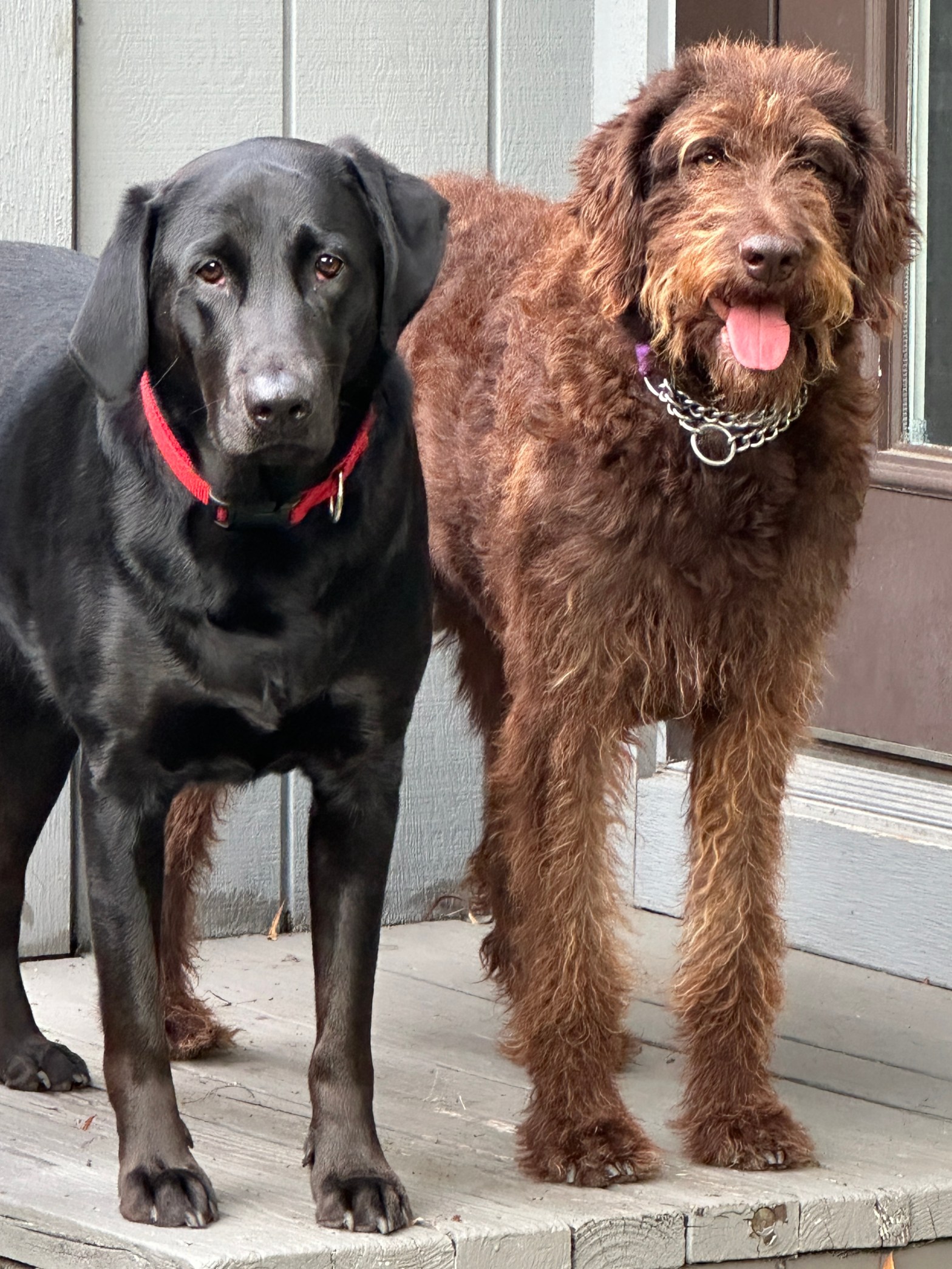
The real-life Lilah and Winnie, shown here at their ferocious best…
Thanks, as always, for the Two Writing Teachers March Slice of Life Story Challenge. Check ’em out!
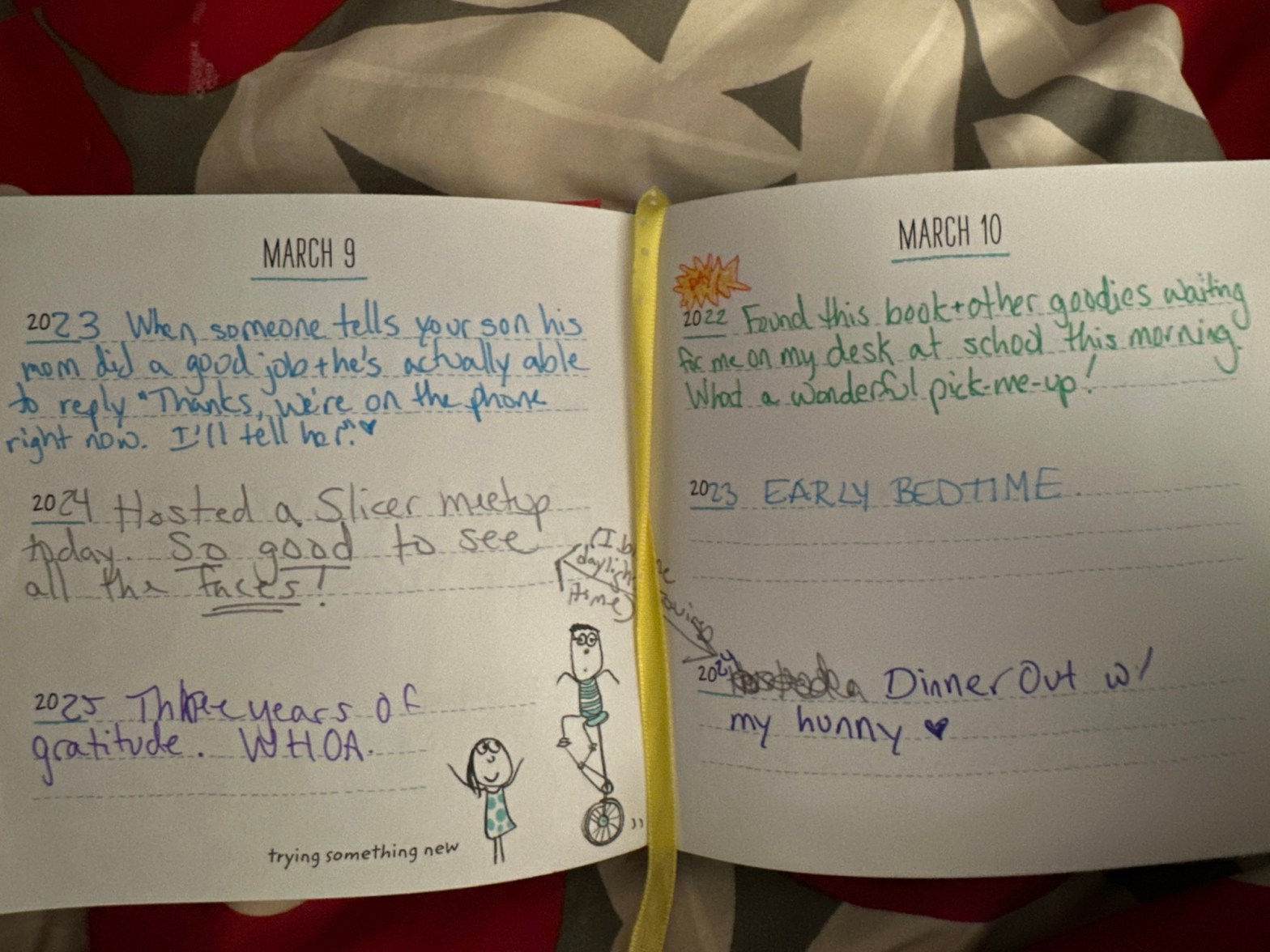
Three years ago today, I got a gift from my “secret pal” at school. It was a fun mug, some cool fine line pens (insert goosebumps <<here>>) and a three-year gratitude journal.
Over the years, it’s been fun to just record one little snippet of what had been great or wonderful about the day. And in this last year of the journal, I’ve enjoyed looking back over time. (Psst…did you see March 9 from last year?)
I’ve smiled at the memories of lunches with friends. I’ve shaken my head at the number of times a meal was my daily highlight. I’ve seen how I’ve gently worked around gratitude during periods of crisis.
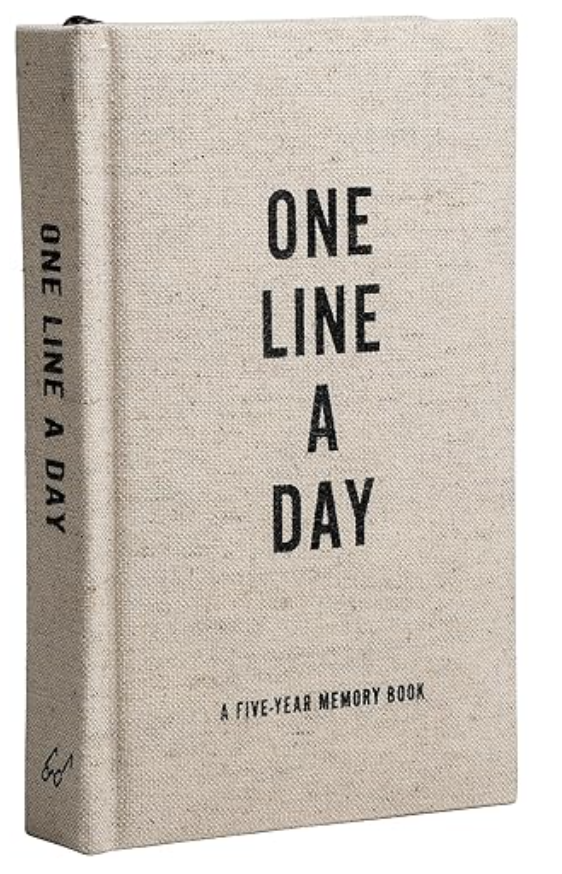
And I’ve grown accustomed to taking a moment each day to reflect. So accustomed, in fact, that I bought this little jobby for myself:
Five more years to track. I’m looking forward to it!
Thanks, as always, for the Two Writing Teachers March Slice of Life Story Challenge. Check ’em out!
Yesterday, I posted a fictional story I crafted along with my students in the style of Leo Leonni.
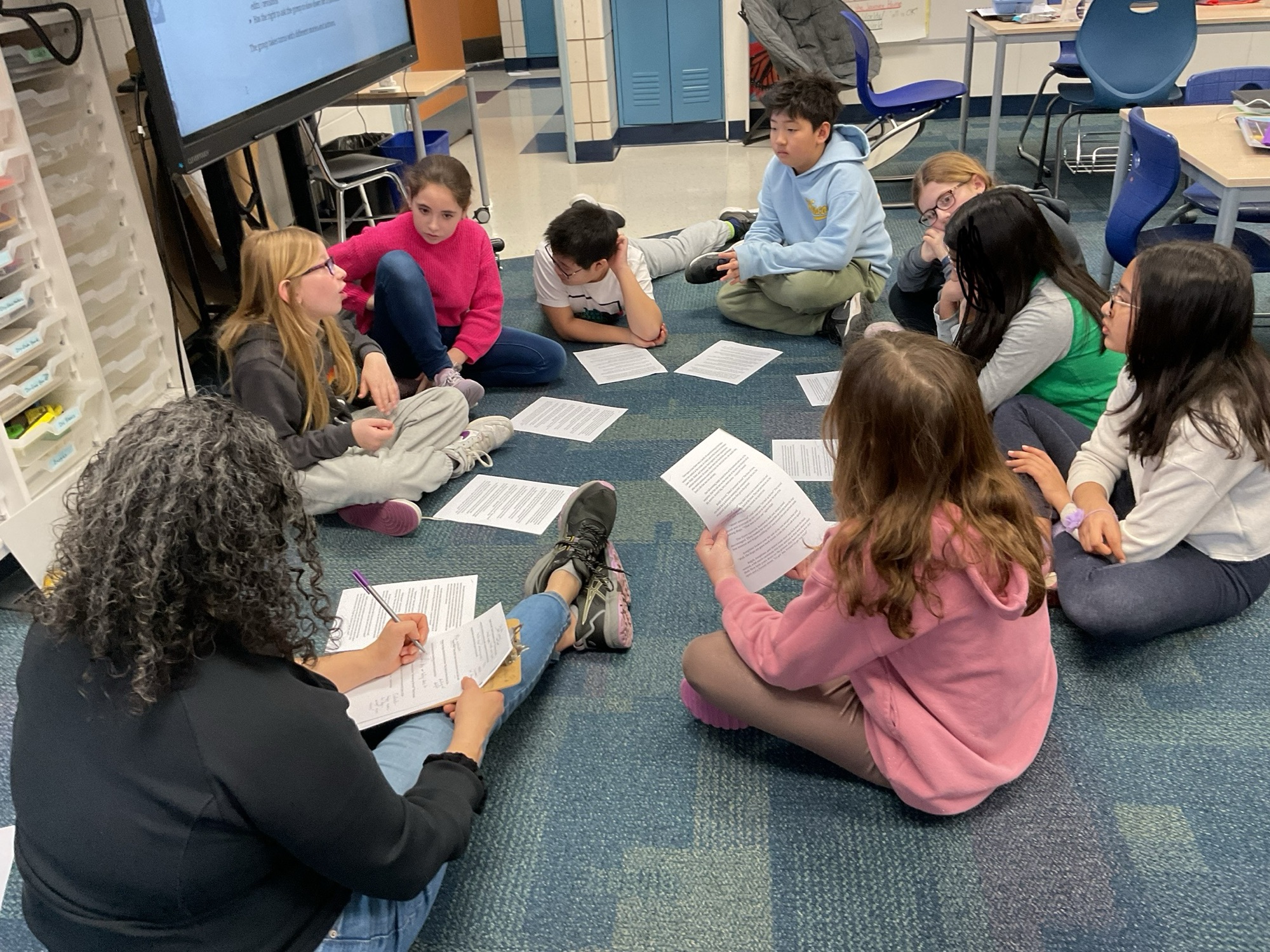
I put myself in the hot seat and let the kids do a “table read” of my work. I sat to the side with and zipped my lip while they read and discussed my story.
It’s hard sometimes to get out of their way, but oh so worth it.
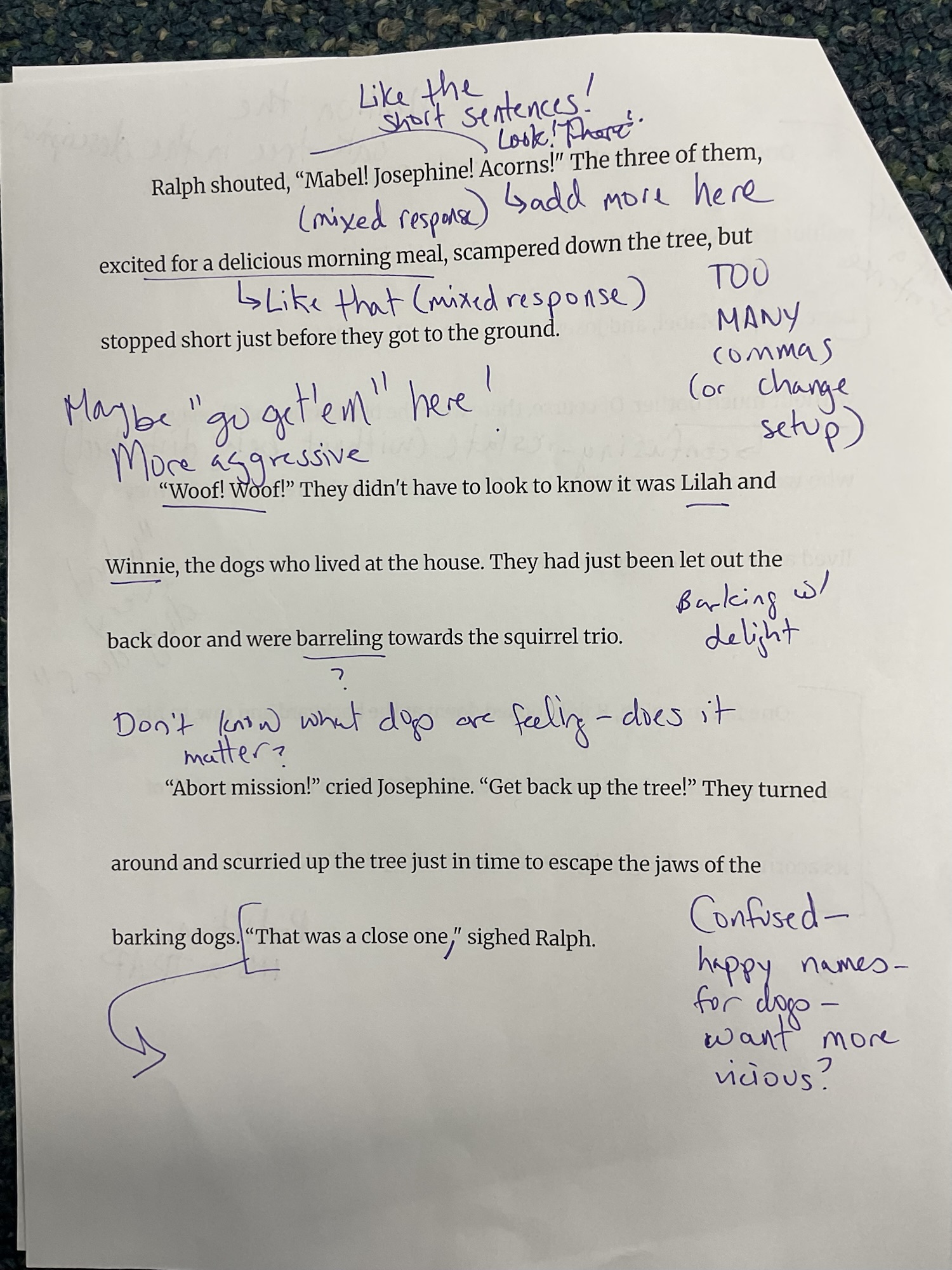
I wasn’t sure what sort of errors they’d find, or how they’d feel about picking apart a teacher’s work. But lo and behold, their conversation was as insightful and helpful as I’d expect them to be for each other. And boy oh boy, I have a deeper understanding of just how brave and trusting my students are when I ask them to share their work.
Just a *few* things to work on…
There’s a lot to work on here, but I’m heartened to know that some of my jokes and craft moves hit home.
Time to get revising!
Thanks, as always, for the Two Writing Teachers March Slice of Life Story Challenge. Check ’em out!
Fiction is not my favorite thing to write. In fact, I avoid it at all costs. But when the time comes for me to set an example for my fourth graders, I suppose it’s time to roll my pride into a ball and get on with it. Below is the story I drafted for their review.
Spoiler alert: the kids were not shy in their questions and suggestions. I’ll publish the revised version in the coming days.
————-
Once upon a time there was a family of squirrels living in the black walnut tree nestled at the corner of a back yard of the house on Sycamore Lane. Ralph, Mabel, and Josephine lived together in their squirrel nest without much bother. Of course, there were the blackbirds and bluejays who would sometimes tease them from the electrical wire, but usually they lived a life that was free and easy.
One fall morning, Ralph looked down at the backyard and saw, to his surprise, that the oak tree on the other side of the lawn had dropped all of its acorns. Acorns! Big, juicy, sweet acorns – a squirrel’s favorite!
Ralph shouted, “Mabel! Josephine! Acorns!” The three of them, excited for a delicious morning meal, scampered down the tree, but stopped short just before they got to the ground.
“Woof! Woof!” They didn’t have to look to know it was Lilah and Winnie, the dogs who lived at the house. They had just been let out the back door and were barreling towards the squirrel trio.
“Abort mission!” cried Josephine. “Get back up the tree!” They turned around and scurried up the tree just in time to escape the jaws of the barking dogs. “That was a close one ” sighed Ralph.
The three squirrels huddled in their nest, hungry, scared, discouraged. They waited for what seemed like an eternity before the dogs lost interest and began sniffing their way around the yard and back inside.
Josephine looked over the side of the nest and gave a deep sniff. “Well, the dogs are gone back inside. Looks like we’re safe to try again!”
Ralph, Josephine, and Mabel made their way back down the black walnut, a bit more cautiously this time. and just as they were about to place their first little paws down on the ground, they heard the back door click open and a human shout, “Go get ‘em, Winnie! Go get ‘em, Lilah!”
The dogs bounded off the deck and into the yard once again. The squirrels barely had enough time to turn around. They could feel the dogs’ hot breath on their tails as they scurried back up the tree once again. It took a while for their little hearts to stop beating so quickly, but eventually they calmed down.
Ralph said, “Well, that was a fail.”
Josephine said, “Oh! I wish we could have those acorns! I can smell them from here. I guess there’s just no way we’ll get those acorns with those dogs around.”
“I suppose we’ll have to raid the bird feeder again, ” agreed Ralph.
Just then, Mabel, who had been quiet through all of this, perked up. she said, “Maybe we can’t just have free run of the yard, but maybe there is a way we can get acorns after all.”
“Really?” Ralph questioned doubtfully.
“Maybe,” Mabel explained, “Maybe we have to beat the dogs at their own game.”
The next few minutes were a series of whispers and giggles as Mabel explained her plan to the other squirrels.
Later that morning, Ralph made his way to the fencepost along the side of the house. He wiggled his tail, he waggled his ears, and he hopped about back and forth.
Lilah and Winnie, ever on watch, leapt to the side window and started barking furiously. Josephine and Mabel took advantage of the distraction to head into the back yard and grab as many acorns as they could carry back up to their nest. Back and forth they went for as long as they heard the dogs barking.
By the time the house was quiet, and Ralph hopped his way back along the fencepost, the squirrel’s nest was full of rich, juicy, delicious acorns.
“Mabel! Your thinking saved the day!” shouted Ralph and Josephine.
It’s no secret to a lot of folks out there: I’m…kind of a gym rat. My most recent love is Olympic Weightlifting. There’s really only two lifts involved. There’s the snatch, where you take a barbell from ground to overhead in one movement. And there’s the clean and jerk, where you hoist a barbell first to your shoulders before hiking it above your head.
Super simple. Pick the bar up, put it down. Repeat.
Except.
The concept of weightlifting is super-simple, but lifts are difficult. The amount of skill, precision and technique that go into a lift is positively mind-boggling. Like golf, folks can spend years honing their abilities without ever achieving full mastery. I’ve been at this almost exclusively for two years and I consider myself (mostly) a novice. Luckily, I have a coach who is a genius about eyeing my form and giving me the teaching and cues I need to improve. Case in point…
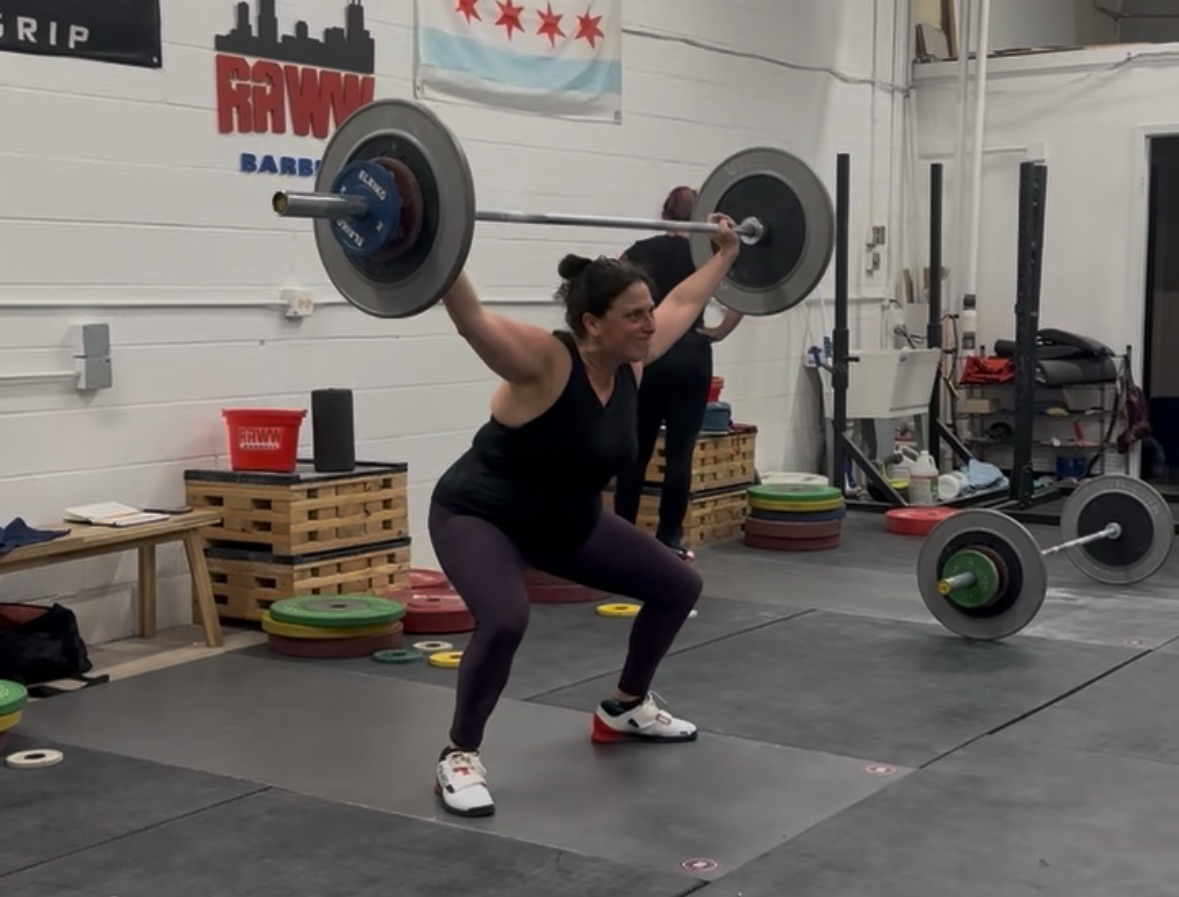
Cut to Monday. The workout for that day involved heavy snatches, and this particular video shows my attempt to tie my personal record:
Gotta have the slap-skies to wake those muscles up! And yes, that’s my coach giving me cues in the background.
Yeah. I missed it. But this miss? I feel better about it than if I had made it.
Let me explain. Ever since I’ve been at this, a miss for me has been like so: – I set up at the bar – I start to pull it up – As soon as I gain momentum, I chicken out and drop it
But here – right here – is what shows my progress. I actually got UNDER the bar before I lost it. Which means that I trusted myself enough to try. Which means that slowly (oh so slowly!) I’m getting better at this thing.
Let’s see…I’ve got something that’s challenging to learn, a coach who gives me the instruction I need, and the time to practice and improve.
(And folks wonder why weightlifting has made me a better teacher…)
You know, there are moments when, as a parent of older children, I might feel like the time has passed to be of service, help, or support to my children.
I don’t have to tie shoes anymore, nor do I have to pack school lunches. I don’t have to drive anybody to outrageously early or painfully late sport practices, and I don’t have to do their laundry.
Still, moments remind me that even though I might not be necessary for some of the basic things of life, I am still a needed person.
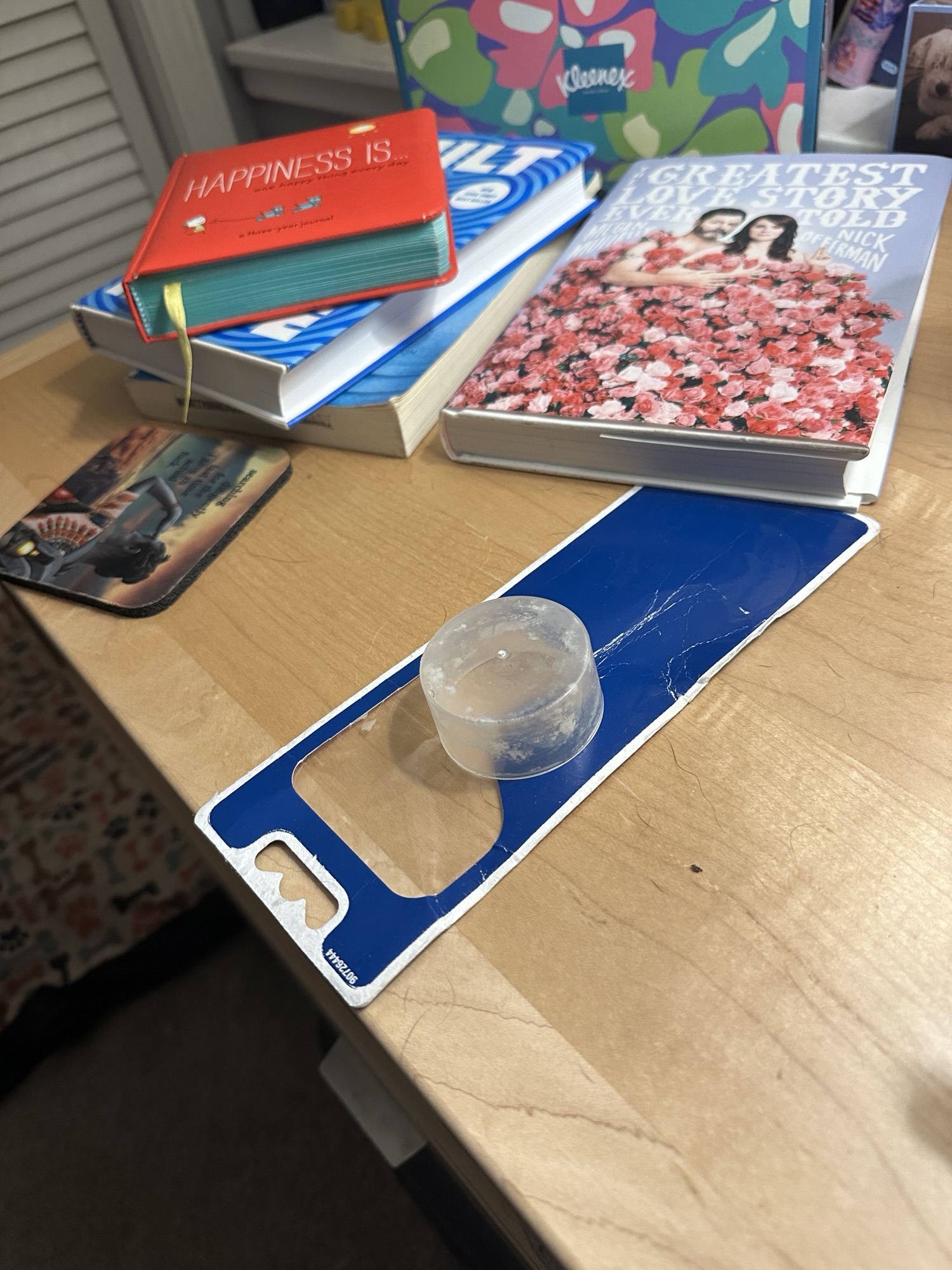
You might not see it, but there is a little friend trapped underneath this shaving cream cap.
After all…without me, who would take care of the spiders in the bathroom?
I might be the shortest of our bunch, and my kids might mercilessly tease me for all manner of things, but when push comes to shove, I know I have my purpose.
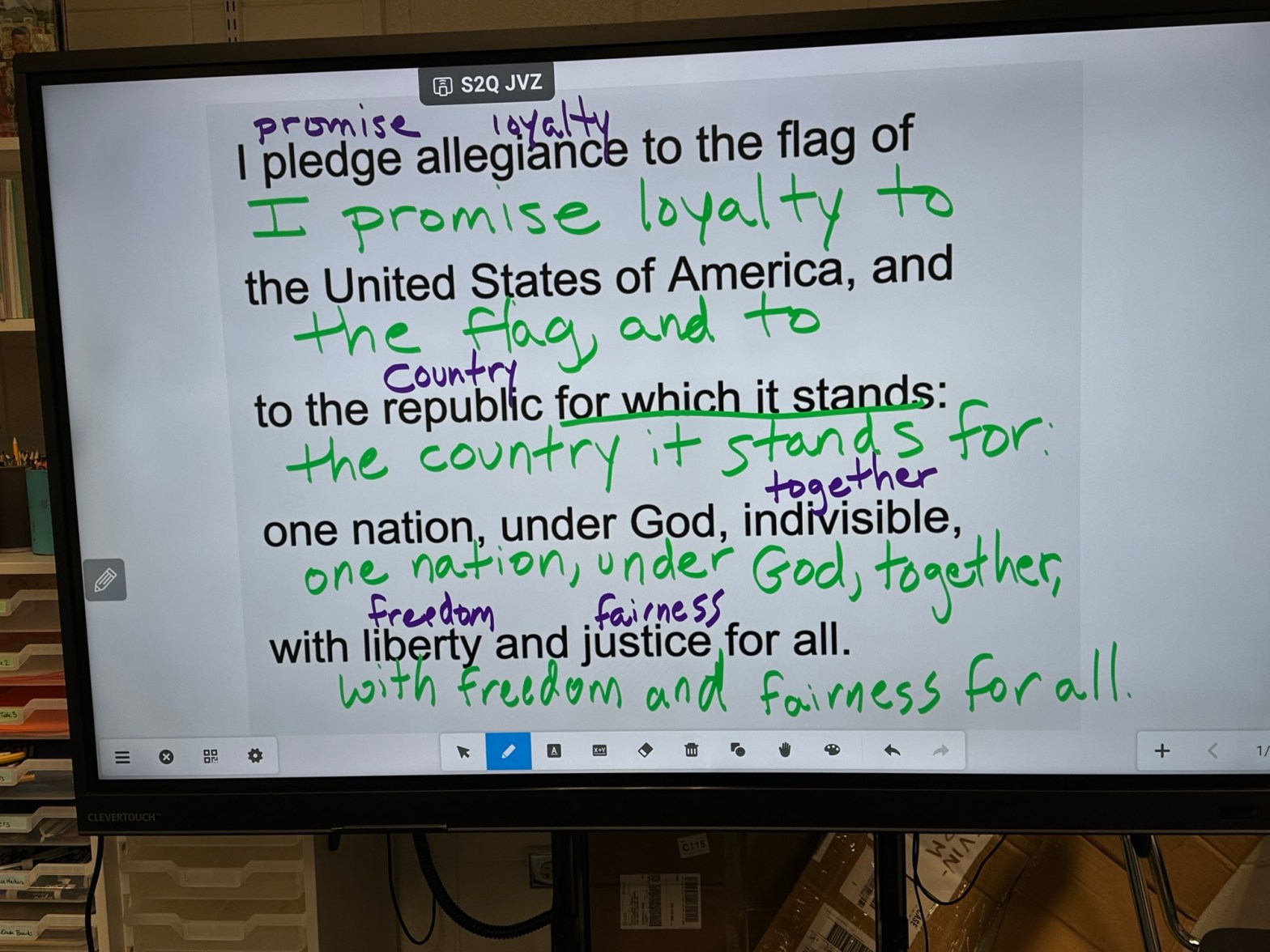
Today I had my students “translate” the Pledge of Allegiance into fifth-grade language. It was an exercise in:
-Using the online dictionary -Simplifying words by thinking, “That’s a fancy way of saying ______” -Learning how syntax (word order) affects the tone of writing -The benefits of simple clear language
Oh. And. -We’ve been saying this thing for how many years without understanding it? -We’re saying it to a flag. -Which symbolizes our nation. -Freedom. -Fairness. -For ALL.
There are worse things, she thought, than her feet plugged firmly in the massager while she listened to a fellow poet’s music and watched her dogs tussle over a tennis ball, after a full day of teaching that began with just the right mug of chai, continued with kids snuggling, giggling over poetry, and about twelve kid-redemptions of a “free hugs” pin hung on the lanyard, topped off by a strong (yet humbling as always) day at the gym and a favorite dish for dinner to be topped off by the Holy of Holies: an early bedtime




 Soapbox: The Way I see Things