Each Sunday, I’m working my way through my experiences with race. I’ll share stories and memories from throughout my life. I know I’ll encounter moments of growth that I wish I could relive. I’ll also have to think back on choices that I wish I could remake. Come join me each week.
My first teaching job. Sugarland Elementary, Sterling Virginia.
I got the job maybe a couple of weeks before the start of the school year, when the district opened up a new classroom. There was nothing in my classroom. No paper. No paper clips. No chalk. No erasers. No nothing. Luckily my newfound colleagues helped me scrabble together enough to start the school year with my loveys.
Sugarland School served a working-class neighborhood which, in turn, was home to a large population of students of color.
There’s a lot that my liberal education, my lived experiences with folks who were different from me, and my coursework in multicultural studies prepared me for. I knew to value and celebrate our differences, to provide books, resources and activities that reflect a multitude of faces and life stories. I knew that I needed to expect big things out of ALL my students no matter what.
But there are things that I didn’t know, things that I wish I recognized. Maybe it was the oblivion of youth that clouded my vision. Maybe I wasn’t as evolved in my understandings as I am now. Had I had today’s wisdom, I would have done better with the kid who made himself dinner each night because his dad worked four jobs to support him. I would have found better ways to support the child who missed kindergarten in his native El Salvador. I would have made the classroom safer for the kid who drew pictures of himself dying so that he could come back as an American. And somehow, all of these kids managed to turn out OK despite the mistakes I made.
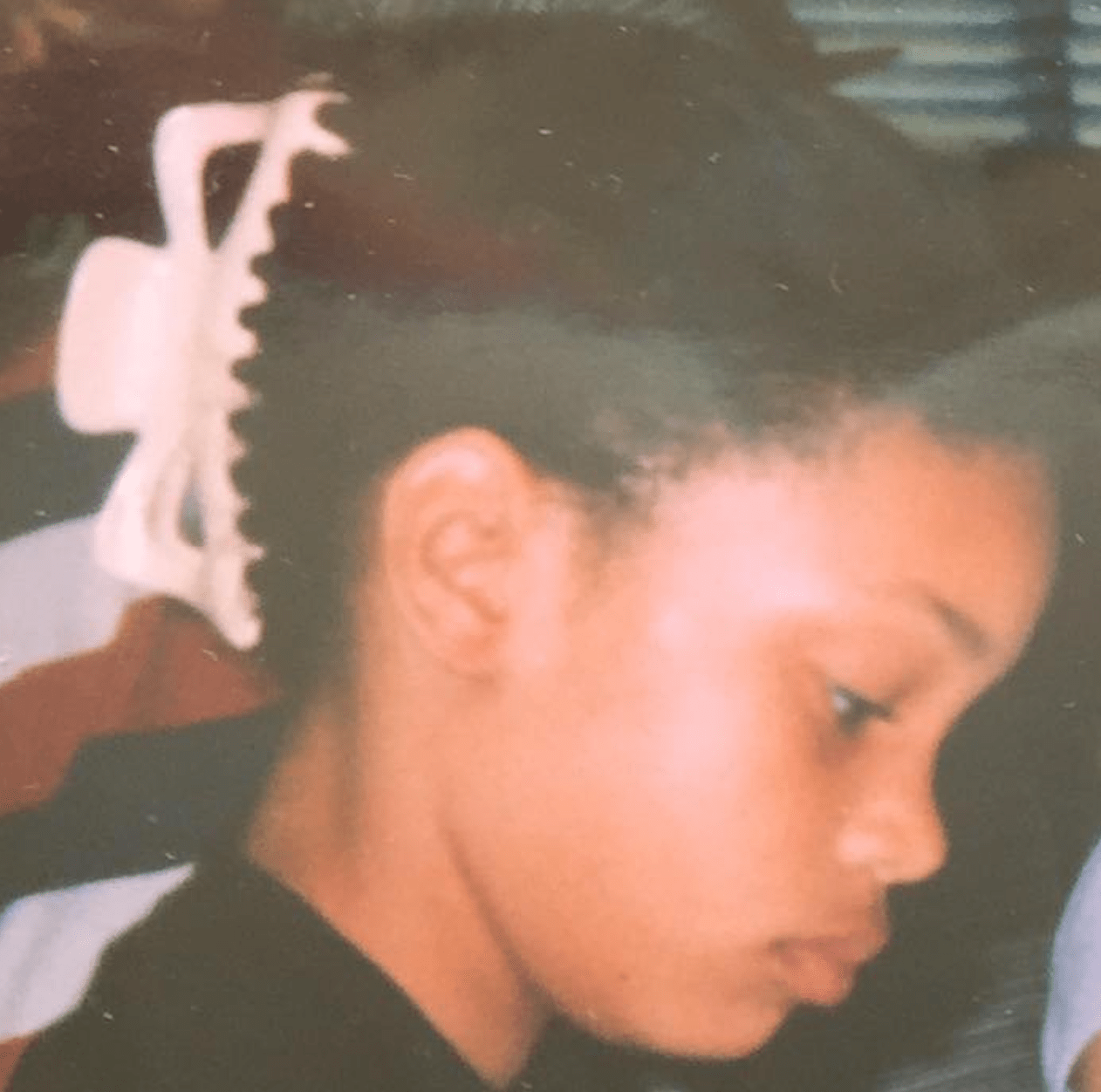
But when I think of the damage that schools do to children of color, particularly Black girls, I cannot help but think of Essence.

Essence, whose mom struggled with addiction.
Essence, whose grandma raised her.
Essence, who came each day brimming with the turbulence of life.
Essence, with whom I engaged in regular power struggles.
Essence, who ended her academic year with me labeled.
Essence, who lost her own difficult struggle in 2016.
And in my young teacher’s mind, I was holding her to high expectations. I was treating her with love and compassion. I was doing for her what I hoped to do for all my students: inspire them to be the best versions of themselves.
But oh. In my moments of clarity and honesty, I know that I did damage. I did not provide this child with the room and space to feel truly safe. I did not support her and her family in a way that was culturally responsive, and I didn’t take into account her immense lived trauma.
I’m not looking to have folks respond with, “but you’re a great teacher! you HAVE made a difference.”
I would say an awkward “thank you” in response. Yes, I will acknowledge my deep connection with many kids. But the purpose of this post – the purpose of this series – is to recount my experiences with race, and to claim those moments and choices I wish I could take back. My time with Essence is one of them.
And Essence, had I been your teacher now, I can only hope that I’ve developed enough wisdom and perspective to give you the support, the validation and the true compassion you so deeply deserved.